The Science of Chakras: Ancient Energy Centers Meet Modern Anatomy
Are chakras just mystical symbols—or is there real science behind them?
What began as sacred teachings in the ancient Vedas—texts dating back over 3,000 years—has evolved into a fascinating intersection of spirituality and science. While once dismissed as “pseudo-science” by skeptics, modern research is beginning to uncover surprising connections between these energy centers and our body’s most vital systems: the endocrine glands and central nervous system.
In recent decades, neuroscientists and endocrinologists have begun to map chakra locations to actual nerve plexuses and hormonal hubs—offering compelling parallels between ancient insight and anatomical structure.
In this article, we’ll explore the true origins of the chakra system, trace its evolution from sacred philosophy to scientific curiosity, and reveal how these energy centers might influence your emotional and biological health today.
Let’s begin where myth meets biology.
What Is a Chakra? The Meaning Behind These Ancient Energy Centers
The word “chakra” comes from the ancient Sanskrit language and translates to “wheel” or “disc.” Far more than poetic metaphor, this term describes a network of subtle energy vortices that, according to early Vedic teachings, spin along the spine—bridging the physical and energetic layers of the human body.
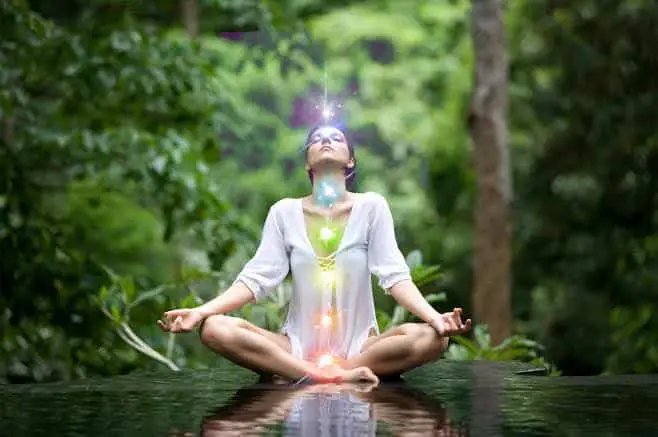
First recorded in the Vedas—India’s oldest sacred texts—chakras were perceived as vital points of life force (prana) concentration. These centers were mapped long before modern anatomy, yet their locations closely mirror major endocrine glands and nerve plexuses now recognized in contemporary neuroscience and endocrinology.
When these chakras are said to be in balance, energy flows smoothly—supporting emotional resilience, mental clarity, and physical vitality. But if a chakra is overactive or underactive, ancient systems warned of disruptions to health and consciousness. Today, that concept resonates surprisingly well with how the endocrine system influences hormones, mood, and immunity.
“The chakras, as described in Eastern religious and medical systems, may well be energy sensors for subtle energy.”— George Washington University Medical Center
Chakras aren’t physical structures like organs or bones—you won’t find them under a microscope. But neither are stress, intuition, or love. And yet, each has real, measurable effects on your body and mind. In this same way, chakras represent an energetic anatomy—an internal map of the mind-body connection long honored in yoga, Ayurveda, and meditation traditions.
Recent studies suggest that these ancient models may have scientific footing. A 2017 review in the journal NeuroQuantology proposed that chakra locations correspond with autonomic nerve clusters and hormone-regulating glands, including the hypothalamus, thyroid, and pituitary. While more research is needed, such findings open a fascinating bridge between spiritual traditions and .
✨ Reflection:
If chakras truly reflect physical systems of emotion and biology, could ancient yogis have intuited our inner blueprint through awareness alone—without any surgical tools or scans?
Where Did Chakras Come From? Origins in Ancient Texts
The earliest known references to the chakra system trace back to the Vedas—a vast collection of Sanskrit texts originating from the Indus Valley Civilization, circa 1500 BCE. These scriptures, regarded as the spiritual foundation of both Hinduism and later Buddhism, contain some of humanity’s oldest recorded knowledge on consciousness, energy, and the cosmos.

The Vedas themselves are described as “Apaurusheya”, a Sanskrit term meaning “not of man” or “superhuman origin.” Rather than being written by any one individual, they were believed to be divinely revealed to ancient seers (rishis) during deep meditative states—a kind of download from a universal intelligence.
Within this sacred canon, the earliest discussion of energy centers appears in the Rig Veda and is later expanded in the Yoga Upanishads. These texts refer to chakras not as literal wheels, but as “pranic channels,” “psychospiritual vortices,” and “nadi”—meaning subtle energy pathways that carry life force (prana) throughout the body.
📜 Translation Insight:
The Sanskrit word chakra literally means “wheel,” but its deeper connotation is one of rotation, flow, and dynamic movement—symbolizing how life energy spirals through our being.
Originally, various schools of yogic philosophy referenced different numbers of chakras—some spoke of 5, others 8, and some up to 12. But over time, the **seven-chakra model** became the most widely adopted—particularly through tantric texts and later Western interpretations.
The 114 Chakra System: Dr. Amit Ray’s Scientific Expansion of Ancient Wisdom
While the seven-chakra model dominates modern teachings, new research is reviving the broader map. In 2018, Dr. Amit Ray—a pioneer in consciousness science and AI—proposed a more nuanced model: a network of 114 chakras integrated with the body’s neural, hormonal, and energetic systems.
According to Ray’s work, this expanded chakra system includes:
- 7 Major Chakras: foundational energy hubs (root to crown)
- 21 Minor Chakras: energy nodes influencing joints, organs, and emotion centers
- 86 Micro Chakras: subtle points along nadis, neural paths, and emotional reflex zones
Ray’s model has drawn interest from researchers exploring the intersections of neuroscience, bioenergetics, and positive psychology. In a 2019 peer-reviewed analysis, Dr. N.J. Cooper of the Journal for Psychology Review evaluated Ray’s work, noting compelling correlations between chakra locations and:
- Neural ganglia and nerve plexuses
- Endocrine gland functions
- Neurotransmitter release zones
- Hormonal-emotional feedback loops
“Both the classic seven-chakra system and Dr. Ray’s expanded 114-point model hold unique promise for the future of neuroscience-informed energy psychology.”— Dr. N.J. Cooper, Journal for Psychology Review (2019)
From a scientific perspective, this system offers a compelling hypothesis: that what ancient yogis perceived through meditative awareness may correspond to measurable patterns in the body’s electrical, hormonal, and neurological systems.
Modern Reflection:
What if energy centers are not mystical metaphors—but intuitive mappings of subtle biological systems that modern tools are only beginning to detect?
Chakras and the Endocrine System: The Science Behind Energy and Hormones
In both ancient texts and modern biology, there’s a fascinating convergence: the chakras—long regarded as subtle energy centers—mirror the structure and function of the endocrine system, a master regulator of human physiology.
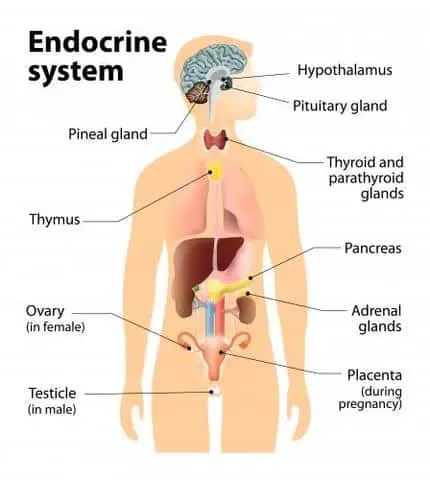
According to Johns Hopkins Medicine, the endocrine system is “a complex network of glands and organs” that uses hormones to coordinate essential bodily functions—ranging from metabolism and immune function to growth, reproduction, and emotional regulation.
Each gland within this system releases precise hormonal signals into the bloodstream, influencing organs, tissues, mood, and even your circadian rhythms. As Healthline explains: “Hormones tell the organs and tissues what to do and how to function.”
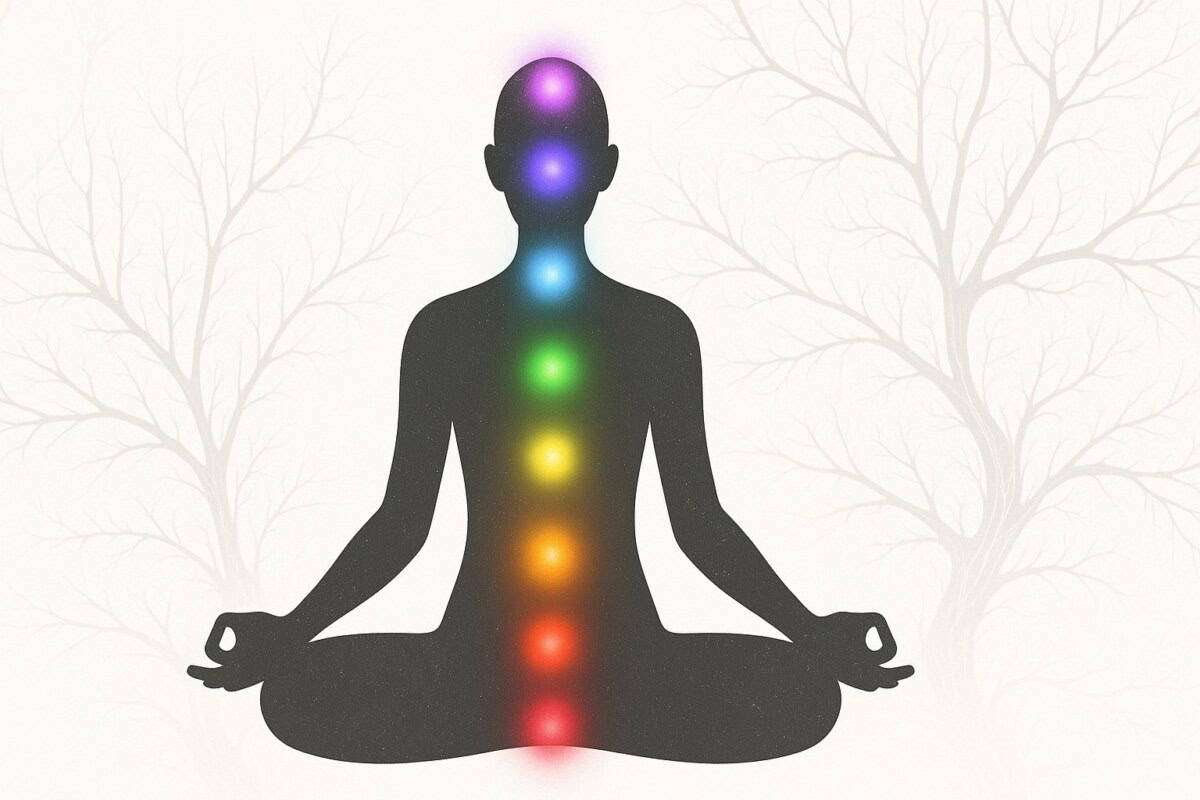
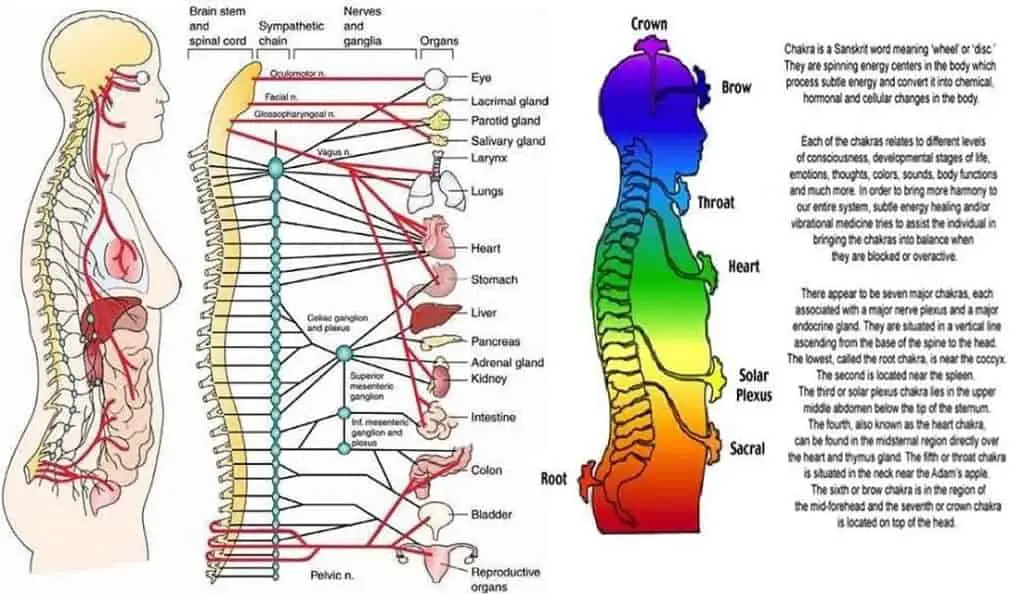
Interestingly, these glands are vertically aligned along the spinal axis—from the reproductive organs at the base to the pineal gland near the crown of the head—precisely matching the locations of the seven major chakras. This alignment is more than coincidence; it suggests an ancient intuitive mapping of internal systems that modern science is only beginning to confirm.
Ancient Insight:
Hormonal imbalances in these glands can lead to physical illness, mood disorders, fatigue, reproductive issues, and cognitive fog—many of which correspond to ancient chakra “blockages.”
Chakras and the Endocrine System: Ancient Energy Meets Modern Anatomy
Explore how each chakra aligns with endocrine glands, emotional patterns, and physiological imbalances.
| Chakra | Endocrine Gland | Physiological Function | Symptoms When Imbalanced | Associated Traits |
|---|---|---|---|---|
| ● Root | Reproductive Glands | Sex hormones, foundational physical vitality | Fatigue, low libido, fear, insecurity | Grounding, survival, presence |
| ● Sacral | Adrenal Glands | Stress response, metabolism, immune function | Anxiety, burnout, hormonal swings | Creativity, sensuality, emotional flow |
| ● Solar Plexus | Pancreas | Blood sugar, digestion, self-regulation | Digestive issues, control problems, anger | Confidence, power, autonomy |
| ● Heart | Thymus | Immune balance, compassion regulation | Asthma, immune dysfunction, isolation | Love, connection, forgiveness |
| ● Throat | Thyroid | Metabolism, energy balance, communication | Thyroid disorders, social withdrawal | Expression, truth, articulation |
| ● Third Eye | Pituitary (sometimes Pineal) | Hormone regulation, perception, neural control | Brain fog, poor focus, disconnection | Intuition, vision, inner clarity |
| ● Crown | Pineal Gland | Sleep cycles, melatonin, consciousness states | Insomnia, spiritual disconnection, depression | Awareness, transcendence, unity |
A 2021 paper in the journal Frontiers in Endocrinology emphasized how endocrine disruption—such as chronic stress or environmental toxins—can trigger cascading effects across these glands, potentially explaining ancient chakra imbalances in modern terms (source).
While chakras may not show up in MRIs or blood panels, their physiological corollaries—glandular dysfunction, hormonal imbalances, and mood shifts—are very much part of today’s medical conversations. In essence, what ancient mystics called “blocked energy” might be what modern medicine now investigates as neuroendocrine dysregulation.
Reflection:
Could aligning your internal energy centers also rebalance your hormones and boost your resilience to stress?
Chakras and the Nervous System: Exploring the Nerve Plexus Connection
While the endocrine system governs hormones and internal regulation, the nervous system is your body’s high-speed communication grid. And just like chakras, it’s structured along a vertical axis—from the base of the spine to the crown of the head.
Modern anatomy divides the nervous system into two parts:
- Central Nervous System (CNS): the brain and spinal cord, acting as the command center
- Peripheral Nervous System (PNS): a vast network of nerves that branches outward to your limbs, organs, and skin
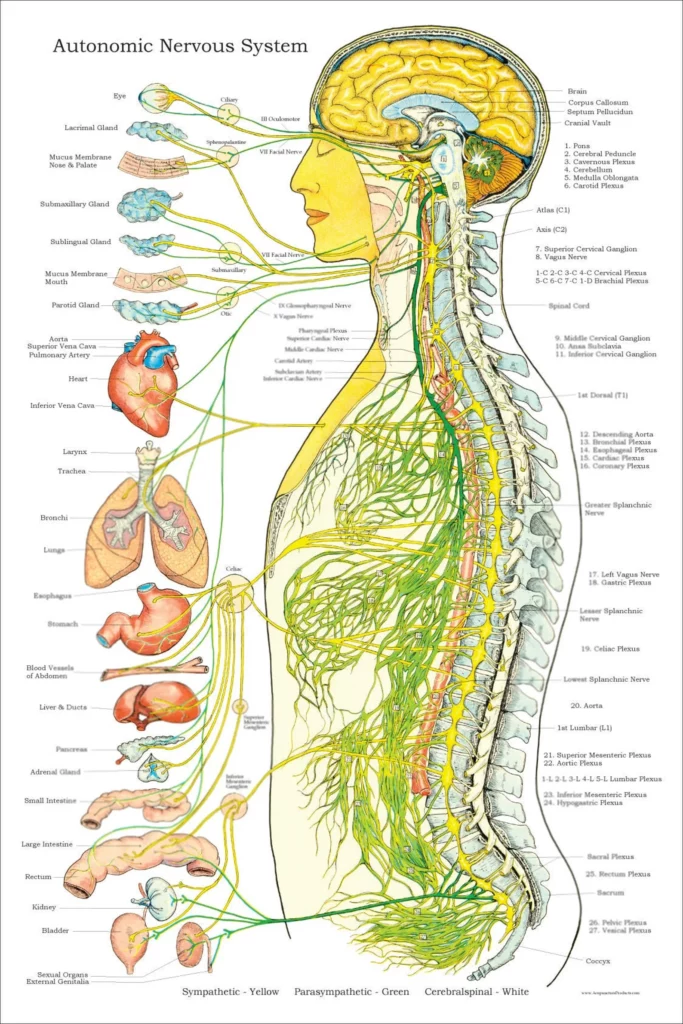
The PNS connects to the CNS through major intersections called nerve plexuses—bundles of nerves where electrical and biochemical signals converge and reroute. These nerve hubs are not scattered randomly; rather, they are strategically aligned with the same vertical axis recognized in ancient chakra systems.
“The body’s main nerve plexuses correspond with traditional chakra points—forming a neuroanatomical mirror of ancient energy maps.”— Journal of Integrative Neuroscience, 2020
For example, the cervical plexusthroat chakra, the solar plexussolar plexus chakra, and the sacral plexus aligns precisely with the sacral chakra. These overlaps suggest that ancient practitioners may have intuitively mapped the nervous system through experiential awareness of energy flow.
Scientific Insight:
Emerging research in neurobiology and bioelectromagnetism suggests that nerve plexuses act as localized hubs of electrical and chemical signaling—similar to what ancient traditions described as “energy vortices.” While not yet fully understood, these zones may represent key interfaces between neural function, somatic awareness, and energetic perception.
Although chakras aren’t visible through X-rays or MRIs, the nerve clusters that mirror them are. And as we deepen our understanding of bioelectric fields, neural coherence, and vagal tone, we inch closer to a vocabulary where ancient and modern knowledge finally speak the same language.
Your nervous system is more than wiring—it’s a sensing field. And the chakra system may be its ancient poetic map.
The 7 Chakras Explained: Origins, Evolution & Scientific Significance
While the idea of chakras traces back over 3,000 years to the Vedic scriptures, the seven-chakra system most people know today is a relatively recent standardization. In ancient texts, chakra counts varied widely—some mentioned 4, others 6, and some traditions described as many as 114 distinct energy points.
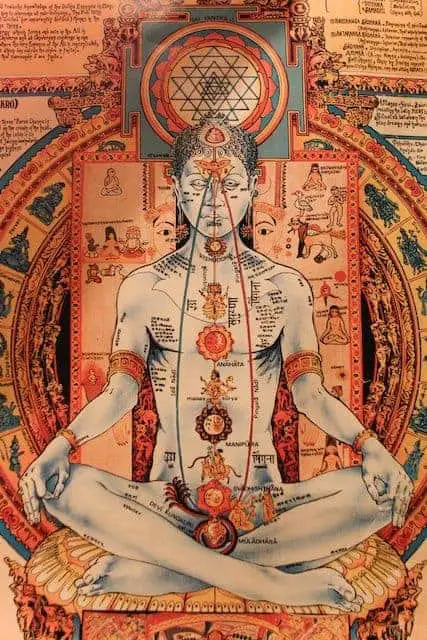
The standardized seven emerged around 1100 CE, popularized within the Kaula school of Tantra (a branch of Hinduism). These teachings emphasized internal energy pathways and the alignment of subtle centers with meditative and spiritual awakening practices.
Simultaneously, Buddhist lineages—after their separation from Hinduism around 400 BCE—adopted their own chakra models, often describing 4 to 8 energy centers. Over time, the shared understanding between traditions coalesced into a sevenfold model that gained global traction through yogic philosophy, meditation, and later, Western spiritual movements.
Reflection:
The seven chakras weren’t invented—they were revealed, refined, and reorganized across centuries of inner exploration, eventually aligning with anatomical nerve plexuses and endocrine functions confirmed by modern science.
Today, thanks to advanced mapping of the nervous system, researchers have identified seven major nerve plexuses along the spine that correspond precisely to the chakra locations. This fascinating overlap between spiritual intuition and anatomical structure continues to inspire scientific inquiry and integrative medicine.
The Chakra Color System: How Light Frequencies Became Spiritual Symbols
Although chakras were discussed for millennia, the now-familiar association between each chakra and a did not appear in ancient Indian texts. It wasn’t until the 20th century—specifically 1968—that this color system was formally introduced.
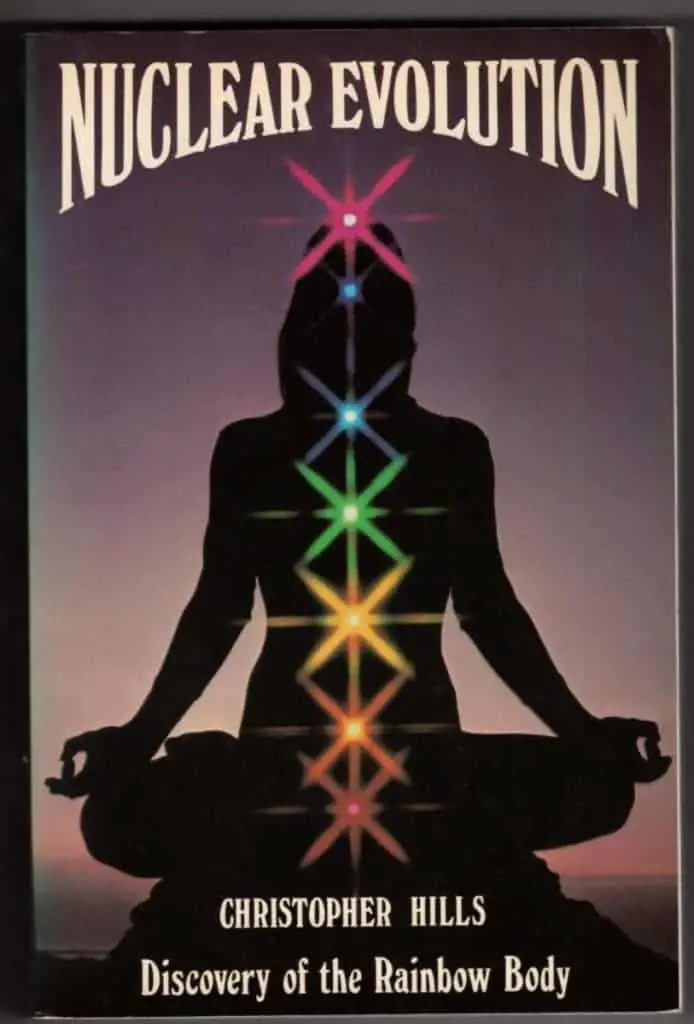
British philosopher and consciousness researcher Christopher Hills published a groundbreaking book titled Nuclear Evolution, which linked the seven chakras with the visible light spectrum. After years of study alongside yogis, meditation masters, and physicists, Hills proposed that each energy center corresponded to a specific vibrational frequency of light.
This model didn’t contradict ancient teachings—it expanded them. Hills saw color as a visible signature of invisible energy. His theory quickly resonated with the Western mind, giving seekers a more tangible framework for understanding chakra energy.
“Color is light which has a specific frequency, wavelength, and energy associated with it.”— Encyclopedia Britannica
Scientifically, visible light spans from Red (~4.29×10¹⁴ Hz) to Violet (~7.5×10¹⁴ Hz). Hills mapped these to the chakras:
Chakra Color Frequency Table
Each chakra corresponds to a visible color of the light spectrum, symbolizing a unique vibration of energy and consciousness.
| Chakra | Color | Light Frequency (Hz) | Symbolic Meaning |
|---|---|---|---|
| ● Root | Red | ~4.29 × 10¹⁴ | Grounding, survival, security |
| ● Sacral | Orange | ~4.84 × 10¹⁴ | Creativity, flow, sensuality |
| ● Solar Plexus | Yellow | ~5.20 × 10¹⁴ | Power, confidence, will |
| ● Heart | Green | ~5.49 × 10¹⁴ | Love, compassion, connection |
| ● Throat | Blue | ~6.00 × 10¹⁴ | Truth, expression, communication |
| ● Third Eye | Indigo | ~6.50 × 10¹⁴ | Insight, perception, intuition |
| ● Crown | Violet | ~7.50 × 10¹⁴ | Awareness, unity, transcendence |
By linking energy centers with visible light, Hills offered a system that was both metaphorical and measurable—a bridge between mysticism and optics. Today, these colors are so widely accepted that they’ve become a core part of chakra education, yoga branding, and spiritual symbolism worldwide.
Reflection:
What we perceive as color is simply vibrational frequency. Perhaps the chakra system is not just spiritual—it’s spectral.
The 7 Chakras: Energy, Biology & Emotional Harmony
Each chakra is more than a mystical symbol—it’s an energetic insight into the body’s nervous system, endocrine health, and emotional landscape.
● Root Chakra (Muladhara)
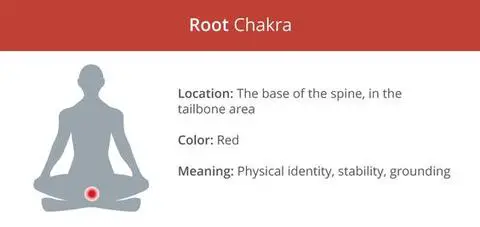
Location: Base of the spine (tailbone)
Ancient Wisdom: Symbolizes grounding, safety, and survival instincts. When balanced, it promotes presence and resilience.
Endocrine Gland: Adrenal glands
Nerve Cluster: Coccygeal plexus
Body Associations: Legs, spine, large intestine, kidneys
Medical Correlates: Arthritis, lower back pain, constipation
Emotional Patterns: Insecurity, financial fear, disconnectedness when blocked
● Sacral Chakra (Svadhisthana)
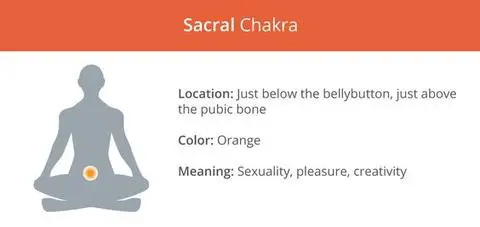
Location: Below the navel (pelvic area)
Ancient Wisdom: The seat of emotion, creativity, and sexuality. Responsible for intimacy and joy.
Endocrine Gland: Reproductive organs (testes, ovaries)
Nerve Cluster: Sacral plexus
Body Associations: Reproductive organs, bladder, lower intestines
Medical Correlates: UTIs, fertility issues, pelvic inflammation
Emotional Patterns: Suppressed creativity, emotional numbness, codependency
● Solar Plexus Chakra (Manipura)
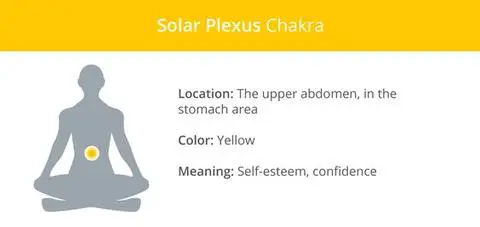
Location: Upper abdomen (stomach area)
Ancient Wisdom: Governs willpower, personal identity, and self-confidence.
Endocrine Gland: Pancreas
Nerve Cluster: Lumbar plexus
Body Associations: Stomach, liver, diaphragm, upper intestines
Medical Correlates: Digestive disorders, diabetes, ulcers
Emotional Patterns: Low self-esteem, anger, control issues
● Heart Chakra (Anahata)
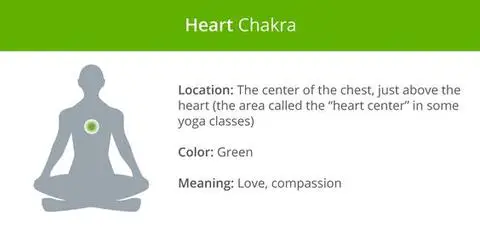
Location: Center of the chest
Ancient Wisdom: Integrates emotional love with universal compassion. The bridge between body and spirit.
Endocrine Gland: Thymus
Nerve Cluster: Cardiac plexus
Body Associations: Heart, lungs, circulatory system
Medical Correlates: Cardiovascular issues, respiratory dysfunction
Emotional Patterns: Isolation, jealousy, grief, or being emotionally unavailable
● Throat Chakra (Vishuddha)
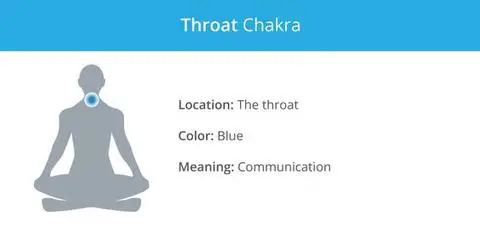
Location: Throat and neck area
Ancient Wisdom: Governs truth, communication, and authenticity.
Endocrine Gland: Thyroid
Nerve Cluster: Cervical plexus
Body Associations: Mouth, throat, vocal cords, neck
Medical Correlates: Hypothyroidism, laryngitis, TMJ disorders
Emotional Patterns: Fear of speaking out, shyness, over-talking
● Third Eye Chakra (Ajna)
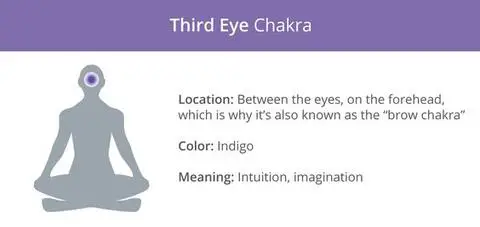
Location: Between the eyebrows
Ancient Wisdom: Center of intuition, imagination, and foresight. Often called the “seat of consciousness.”
Endocrine Gland: Pituitary and Pineal glands
Nerve Cluster: Hypothalamus and associated pathways
Body Associations: Brain, eyes, forehead, sinuses
Medical Correlates: Migraines, eye strain, neurological imbalances
Emotional Patterns: Confusion, lack of vision, disconnect from intuition
● Crown Chakra (Sahasrara)
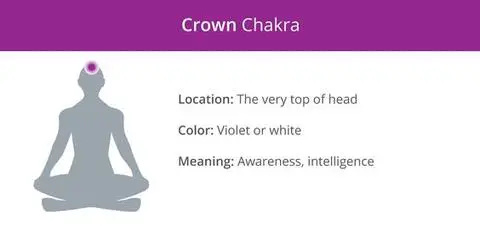
Location: Top of the head
Ancient Wisdom: Represents unity consciousness, divine connection, and spiritual awakening.
Endocrine Gland: Pineal gland
Nerve Cluster: Entire cerebral cortex and CNS integration
Body Associations: Brain, nervous system, skull
Medical Correlates: Depression, confusion, existential disconnection
Emotional Patterns: Spiritual disinterest, isolation, over-intellectualization
Bringing It All Together – Chakra Mechanics: How Energy, Emotion & Biology Form One Living System
As we’ve explored, the chakra system is not just a spiritual metaphor—it’s a remarkably holistic map of how your nervous system, endocrine glands, emotional patterns, and energetic centers interact. When viewed through the lens of modern anatomy, ancient wisdom, and systems theory, chakras emerge as the original blueprint of mind-body integration.
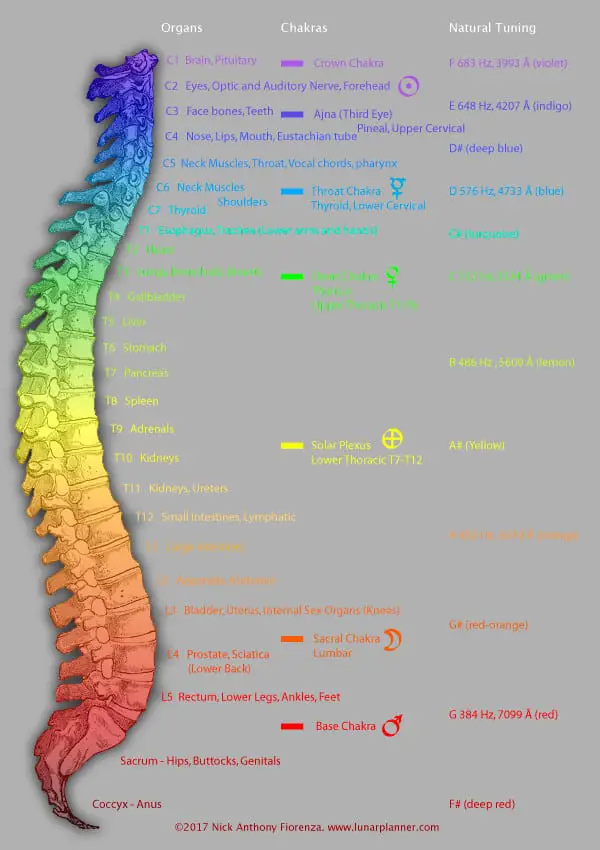
Chakras as Neuroendocrine Interfaces
Each of the seven chakras aligns with a and a nerve plexus—meaning they sit at the crossroads of hormonal signaling and neural communication. These two systems regulate everything from sleep, stress, metabolism, immunity, and reproductive function… to intuition, memory, creativity, and emotion.
Hormonal imbalances in these glands—often triggered by trauma, stress, toxins, or emotional suppression—can disrupt the body’s equilibrium. These are the very imbalances ancient systems described as “chakra blockages.” In modern terms, this is called neuroendocrine dysregulation.
“What ancient mystics described as ‘energy imbalances’ may now be explained as cascading effects through hormone pathways and neural circuits.”— Frontiers in Endocrinology, 2021
Nerve Plexuses: Energy Vortices in Biological Form
Just as each chakra aligns with an endocrine gland, it also corresponds to a nerve plexus—clusters where sensory and motor signals converge. From the cervical plexus in the throat to the lumbar and sacral plexuses in the lower spine, these bundles mirror the ancient vertical chakra axis with stunning accuracy.
These aren’t just anatomical coincidences. Studies in neurobiology and bioelectromagnetism suggest that these plexuses function as localized electrical hubs, capable of emitting and receiving oscillatory signals—much like the “spinning wheels” described in the Vedas.
🧠 Systems Insight:
Chakras can be understood as self-regulating nodes within the body’s sensory-motor-endocrine network—constantly adapting to internal and external stressors.
The Chakra System as a Unified Human OS
In today’s language, you might say chakras are the body’s operating system interfaces. Each one regulates a cluster of functions—biological, emotional, and cognitive. Together, they create a living, dynamic feedback loop between:
- Conscious awareness (mind)
- Neural pathways (brain + spinal cord)
- Hormonal signaling (endocrine system)
- Emotional states (energy & memory)
- Somatic health (muscles, organs, posture)
When chakras are balanced, this system operates in harmony. When disrupted, the ripple effects are emotional, physical, and even spiritual. But through intentional practices—like yoga, breathwork, meditation, and sound therapy—we can restore alignment, optimize resilience, and reconnect with our inner intelligence.
Reflection:
Chakras are not just ancient mysticism. They’re intuitive maps of the very systems science is now decoding—bridging hormones, nerves, emotions, and light into one elegant model of human energy.
Modern Misunderstandings: The Commercialization of Chakras in the 21st Century
Despite their deep roots in ancient spiritual science, chakras have been misunderstood, oversimplified, and at times co-opted by modern marketing.

In many parts of the West, they’ve become symbols of trend culture—stripped of context and sold as aesthetic vibes or surface-level wellness tools.
Part of this distortion stems from the challenge of integrating non-physical concepts into scientific frameworks. Chakras don’t show up on an MRI or blood test, so they’re often dismissed as “pseudo-science.” And yet, the endocrine glands, nerve plexuses, and emotional patterns they correlate with are very real—scientifically measurable, biologically relevant, and psychologically impactful.
Meanwhile, as yoga has exploded in global popularity, its deeper teachings have often been replaced with stylized expressions. According to Google Trends, searches for “yoga studios near me” rose over 800% in the past decade. Yoga has become a multibillion-dollar industry in the U.S. alone.
With this mainstream surge came the rise of chakra-branded merchandise—rainbow leggings, incense packs, chakra-aligned smoothies, and mass-produced “energy healing” kits.
The truth is, understanding your energy centers takes time. Real transformation requires embodied practices—movement, stillness, inquiry, and often discomfort. It asks us to go beyond “good vibes only” and into the places where blocked energy hides: grief, shame, fear, suppression, stagnation.
FAQ: Chakras, Science, and Self-Awareness (With a Dash of Humor)
Final Reflection: Bridging Ancient Chakras and Modern Science
The chakra system is not just symbolic. It is not just spiritual. And it is certainly not just a trend. It’s an intuitive model of human energy awareness—refined over thousands of years and now echoed in modern maps of our biology.
Though chakras are not physical structures, their locations mirror some of the most essential intersections of nerve clusters, endocrine glands, and emotional feedback loops. Ancient yogis didn’t need microscopes or MRI scans—they mapped the body’s subtle intelligence through stillness, awareness, and inner attunement.
Today’s research confirms many of their insights. From the endocrine system’s influence on hormones and emotion, to the nervous system’s plexus hubs mirroring chakra alignment, a new language is emerging—one that unites ancient spiritual systems with modern neuroendocrinology and bioenergetics.
Chakras may not show up on a scan—but neither do love, trauma, intuition, or awe. And yet, they shape our health, our choices, and our inner world profoundly.
The deeper invitation of the chakra system is not simply to understand these centers—but to embody them. To develop emotional lit
**Thanks For Reading — Seriously**
If you made it this far, we genuinely appreciate your time. The Conscious Vibe exists to ask better questions, explore deeper ideas, and share curiosity that might spark a new idea or a new perspective.
If you found this article helpful, let us know and if this sparked something in you — share the vibe.
You may have noticed that there are no ads here. No popups. And we like it that way.
If you feel like donating to support more informative thought provoking ideas and information, we sincerely appreciate it !!
Check out our donation page to help Support Conscious Vibe
It helps cover servers, admin tools, and pretty much keeps the lights on around here.