Internet Addiction Quiz: Is Your Ancient Brain Hooked on Modern Tech?
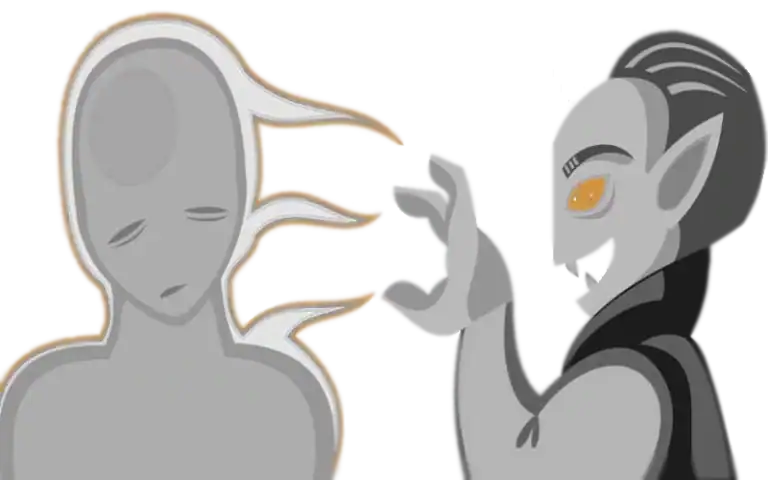
Modern apps tantalize our brains like candy, lighting up neural reward circuits with each ping and like.
Are You Addicted to the Internet? A 15-Point Reality Check
Answer honestly:
- Do you feel anxious or irritable without internet access?
- Do you prioritize online interactions over real-life ones?
- Have you missed work or appointments due to screen time?
- Have others expressed concern about your usage?
- Is family time replaced by internet time?
- Do you scroll to avoid real emotions?
- Do you underestimate or hide your screen time?
- Do you have physical issues due to screen use?
- Has your usage harmed relationships, hygiene, or finances?
- Are online interactions your primary source of connection?
- Have you tried—and failed—to cut back?
- Do you use the internet to feed other addictions?
- Do you sacrifice sleep to stay online?
- Do you overshare every detail of your life online?
- Have children or loved ones asked why you’re always on your phone?
The Dopamine Trap: Why Internet Addiction Feels So Good (and Why It’s So Hard to Stop)
🧠 What Is Dopamine and Why Does It Matter?
Dopamine is a neurotransmitter—a powerful chemical messenger in your brain that regulates motivation, reward, learning, and habit formation. Often misunderstood as simply the “pleasure chemical,” dopamine is actually more about anticipation than pleasure itself. It’s the neurochemical that gets you to want something—not necessarily enjoy it.
From an evolutionary standpoint, dopamine helped humans survive by reinforcing behaviors tied to fitness: finding food, seeking shelter, solving problems, and connecting socially. When you performed a successful action—like hunting, bonding with your tribe, or discovering something novel—your brain released dopamine to say: “That worked. Do it again.”
This feedback loop is called reinforcement learning, and it’s the mechanism behind every habit—good or bad. Whether you’re training for a marathon or binge-watching Netflix, dopamine is the engine driving the loop of behavior, reward, and repetition.
Dopamine doesn’t just tell you what feels good. It shapes what you pursue.
⚠️ How the Internet Hijacks Your Brain’s Reward System
In today’s hyper-connected world, the internet—especially social media—hijacks your dopamine system with supernormal stimuli: artificial cues that mimic natural rewards, but in exaggerated, highly concentrated ways.
Your brain wasn’t built for this.
Instead of releasing dopamine for meaningful accomplishments, it now triggers for:
- 🔔 New notifications
- ❤️ Likes and comments
- 🔁 Feed refreshes
- 🔴 Unread message badges
- 📹 Endless autoplay and algorithmic content
These digital triggers exploit a variable reward schedule—a well-studied psychological mechanism where rewards are delivered unpredictably (like in gambling). Sometimes you open your phone and there’s something amazing. Sometimes… nothing. This uncertainty drives a compulsion to keep checking.
As psychologist B.F. Skinner showed with pigeons and reward levers, intermittent reinforcement is the most addictive kind. Social media feeds are modern Skinner boxes—with your attention as the currency.
“The smartphone is the modern-day hypodermic needle, delivering digital dopamine 24/7.”
— Dr. Anna Lembke, Stanford Psychiatrist & Author of Dopamine Nation
But here’s the twist: the more frequently dopamine is spiked, the less sensitive your brain becomes over time.
Neuroscience studies reveal that chronic overstimulation from dopamine-inducing behaviors leads to downregulation—meaning your brain reduces its baseline dopamine receptors to maintain balance. This results in:
- Increased tolerance (you need more to feel normal)
- Decreased motivation for non-digital tasks
- A growing sense of boredom and restlessness when offline
🔁 Why You Keep Picking Up Your Phone 100 Times a Day
Your brain is stuck in a subconscious loop known as the habit-reward cycle. Here’s how it works:
- Cue: You feel bored, anxious, lonely, or uncertain
- Action: You reach for your phone, open an app, or start scrolling
- Reward: A like, message, meme, or video appears
- Dopamine Release: Your brain says “Nice—let’s do that again.”
This loop trains your brain to seek short-term relief for long-term discontent. And because the rewards are variable and unpredictable, the cycle becomes even more compulsive—just like gambling.
That’s why:
- A “quick check” becomes 45 minutes of rabbit holes
- You open your phone without even realizing it
- You feel agitated when your phone isn’t nearby
You’re not weak. You’re chemically wired this way—and your brain is up against thousands of engineers and algorithms trained to exploit it.
🧠 Digital Escapism: Why We Turn to the Internet When Life Gets Hard
When life gets uncomfortable, most of us don’t reach for a journal or sit with our feelings—we reach for our phones.
Whether it’s stress, boredom, anxiety, rejection, loneliness, or fear, the internet has become our modern-day escape hatch. And it makes perfect sense: at the tap of a screen, we can alter our emotional state—instantly.
But what begins as harmless distraction often becomes digital dependence. Understanding why we escape to the online world is key to breaking the cycle.
🔍 Why the Internet Feels So Comforting (At First)
From a psychological perspective, we turn to the internet because it offers four powerful short-term rewards:
1. Instant Distraction
Feeling overwhelmed? A quick scroll through TikTok or Instagram gives your brain a hit of novelty and takes your mind off discomfort. In neurobiological terms, it reduces activation in stress-related circuits—a temporary numbing effect.
2. The Illusion of Control
In real life, things are messy. But online? You choose what to see, how to present yourself, and when to engage. This gives a sense of power and predictability—especially comforting for those who feel out of control in their offline world.
3. A Curated, Idealized Self
The digital world lets us showcase a version of ourselves that’s filtered, polished, and admired. Online, you don’t have to be vulnerable, awkward, or imperfect—you can project confidence, humor, beauty, success. For many, this becomes a virtual refuge for the ego.
4. A Sense of Belonging
For those struggling with isolation, rejection, or emotional neglect, online communities offer validation. The internet becomes a place where you feel “seen”—even if that connection is shallow or fleeting.
“The virtual world offers the comfort real life might withhold—but it’s often a counterfeit currency of connection.” — Conscious Vibe
🌀 From Coping to Dependency: The Escapism Trap
At first, digital escapism works. It relieves anxiety, breaks boredom, and feels good. But when it becomes a go-to strategy for avoiding emotional discomfort, the line between relief and addiction begins to blur.
This is known in psychology as avoidance coping—a pattern where we distract ourselves from painful thoughts or feelings instead of facing them directly.
But here’s the catch:
❌ Avoidance provides short-term relief but causes long-term harm.
Studies show that people who habitually avoid discomfort using digital distractions are more likely to experience chronic anxiety, emotional dysregulation, and reduced resilience. Why? Because real emotional healing only happens through awareness, not around it.
⚠️ The Cost of Escaping Too Often
When scrolling becomes your default escape, it costs you more than just time. It costs you:
- Emotional growth (because you never sit with or process your feelings)
- True relationships (because vulnerability is replaced by performance)
- Presence (because your attention is always elsewhere)
- Self-trust (because you avoid rather than face your truth)
Eventually, what started as comfort becomes confinement. You no longer reach for your phone to feel good—you reach for it so you don’t feel bad.
That’s when escapism turns into entrapment.
💡 A New Path: From Escape to Awareness
Escaping is human. But healing begins when you pause and ask:
- What emotion am I trying to avoid?
- What am I afraid will happen if I face it?
- Can I sit with that feeling for just 60 seconds before reaching for a screen?
Even small moments of mindfulness can help rewire your brain for presence, emotional strength, and conscious choice.
You don’t need to quit the internet. You just need to stop using it to run away from yourself.feel bad.
Social Media Addiction: Curated Ego and Algorithmic Entrapment
The Illusion of Connection
Social media consumes more of our time than any other digital space. These platforms promise connection, creativity, and real-time access to the world. But they also create a curated, addictive version of reality.
The Rise of the Curated Self
Each post adds to a digital identity: one that is filtered, validated, and approved. We chase likes, followers, and views for a sense of worth—often more than we receive in real life. Over time, we begin to confuse the online self with the real one.
The Trap of the Safe Virtual World
We believe we’re in control of what we see and how we show up—but it’s the system controlling us. Social media becomes a “safe” escape from rejection or awkwardness. But in doing so, we lose presence, time, and authenticity.
Designed to Be Addictive
These platforms make money by selling your attention. That means they’re designed to keep you online. How?
- Variable rewards (likes, comments)
- Infinite scroll
- Autoplay videos
- Push notifications
These features exploit brain chemistry to build habits—without your awareness.
Algorithms That Know You Better Than You Know Yourself
These systems track every click, pause, and scroll. They show you exactly what will keep you on the platform, not what will improve your life. You aren’t just the user—you are the product.
Digital Disconnection: Spiritual and Emotional Costs
The Disconnected Self
After hours online, do you feel energized—or empty? Social media often leaves us in a spiritual fog, disconnected from our senses, spirit, and self.
Presence Is Power
In every wisdom tradition, healing starts with presence. But presence can’t coexist with distraction. The more fragmented our attention, the more disconnected we become—from ourselves, our joy, and our purpose.
How Much Is Too Much?
Experts say more than 2 hours of recreational screen time daily starts to impact mental health. Yet the global average is over 6.5 hours per day—and climbing.
What Can You Do About Internet Addiction?
1. Awareness Precedes Change
- Why do I open my phone?
- What emotion am I avoiding?
- What am I looking for—connection, escape, approval?
Get curious about your behavior. Self-awareness is the foundation of freedom.
2. Mindfulness: Reclaiming Attention
- 📵 No-phone mornings
- 🍽️ Screen-free meals
- 🌇 Evening walks instead of reels
- 🧘 Mindful check-ins before tapping apps
Presence heals the addiction loop. Mindfulness breaks the trance.
3. Tools & Techniques to Reduce Usage
- 🕐 Use screen time trackers
- 🔕 Silence non-essential notifications
- 📁 Move apps off your home screen
- ⏳ Set daily app limits
- 📆 Schedule a weekly digital detox
- 📝 Use reminder cards: “Is this really how I want to spend my time?”
- 🚫 Pause or delete accounts temporarily
4. Reconnect With What Fulfills You
- 🎨 Return to creative hobbies
- 🧑🤝🧑 Spend more time with people you love
- 📚 Read books instead of headlines
- 🧘 Practice meditation, nature walks, or silence
- 🎯 Set real-life goals and work toward them
Final Thoughts: Reclaim Your Life
The internet isn’t the villain. But unconscious scrolling is quietly robbing us of our most precious currency: attention.
Every tap, swipe, and scroll is a vote—not just for how you spend your time, but for who you become.
This isn’t about quitting the digital world.
It’s about reclaiming your power within it.
It’s about choosing:
✨ Presence over performance
✨ Inner peace over outer approval
✨ Depth over dopamine
✨ A real life, fully lived—not just a feed, perfectly filtered
You were never meant to be available 24/7.
You were never meant to measure your worth in likes, loops, or views.
And you were never meant to live through a screen instead of in your soul.
So pause.
Breathe.
Come back to now.
Because the most powerful app you’ll ever open…
is your own awareness.
**Thanks For Reading — Seriously**
If you made it this far, we genuinely appreciate your time. The Conscious Vibe exists to ask better questions, explore deeper ideas, and share curiosity that might spark a new idea or a new perspective.
If you found this article helpful, let us know and if this sparked something in you — share the vibe.
You may have noticed that there are no ads here. No popups. And we like it that way.
If you feel like donating to support more informative thought provoking ideas and information, we sincerely appreciate it !!
Check out our donation page to help Support Conscious Vibe
It helps cover servers, admin tools, and pretty much keeps the lights on around here.